

📚 What’s Inside:
Okay, picture this: What if doctors could test thousands of treatments on a virtual version of you without ever touching your actual body? No poking, no prodding, no guessing games. Sounds like something from a sci-fi movie, right?
Well, buckle up because this is actually happening right now with bio-digital twins. It’s probably the most revolutionary breakthrough in medicine that you haven’t heard about yet. We’re talking about bio-digital twins technology that can predict heart attacks before they happen, create cancer treatment plans that are tailored just for you, and finally put an end to that frustrating “let’s try this and see” approach to medicine.
Figure: How your unique biology becomes a digital counterpart

🔍 So What Exactly Are Bio-Digital Twins?
Think of a bio-digital twin as your body’s digital sidekick. It’s not some generic avatar—it’s a living, breathing virtual model that’s as unique as you are. We’re talking about a digital replica that knows everything about you: your DNA, your medical history, what your smartwatch says about your daily activity, even the bacteria in your gut!
These bio-digital twins are seriously smart too. They keep learning and updating themselves as you change, creating what might be the most personalized health tool ever invented.
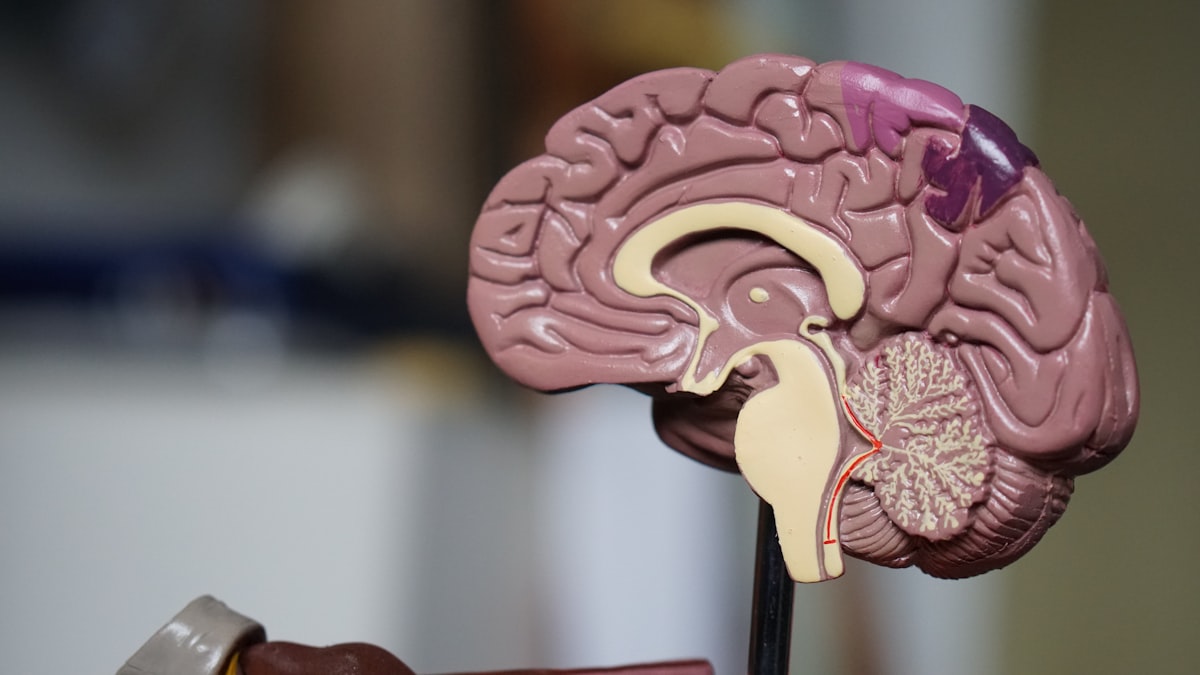
Doctors can now explore detailed digital replicas of organs before treatment

→ The Tech Wizardry Behind It All
Creating your digital twin is like assembling the ultimate tech puzzle:
- 🧬 Your Genetic Blueprint: They sequence your DNA to understand your unique makeup
- 🏥 Super-Detailed Scans: High-resolution MRIs and CT scans capture every detail
- 📊 Live Data Feed: Your smartwatch and other wearables provide real-time updates
- 🧠 AI Brainpower: Machine learning predicts how your body will respond to different treatments
According to a recent study in Nature Medicine, these bio-digital twins are achieving accuracy rates previously thought impossible in personalized medicine.
🛠️ How The Magic Happens: From Scans to AI
So how does your physical self become a digital counterpart? It’s a fascinating four-step dance between biology and technology:
The journey from physical to digital: data collection to personalized treatment
- ✅ Step 1: Data Gathering: They collect every possible piece of health information about you
- ✅ Step 2: Building Your Digital You: AI puts all this data together to create your virtual twin
- ✅ Step 3: Virtual Experimentation: Doctors test treatments on your digital twin first
- ✅ Step 4: Real-World Application: Only the treatments that work best for your twin get used on you
If you’re interested in how AI is transforming healthcare, check out our article on AI applications in modern medicine.
The continuous feedback loop between you and your digital twin

🌍 Real Stories: How This Is Already Changing Lives
This isn’t some far-off future tech—bio-digital twins are already making a real difference in people’s lives:
→ 🫀 Predicting Heart Issues Before They Happen
Hospitals are creating digital twins of patients’ hearts that can simulate stressful situations and predict potential problems weeks in advance. Recent studies show these predictions are about 95% accurate—that’s way better than most weather forecasts!
→ 🦠 Smarter Cancer Treatment
Oncologists are now testing dozens of chemotherapy combinations on digital versions of tumors. This means patients don’t have to endure the awful side effects of treatments that probably wouldn’t work for them anyway.
→ 💊 No More Medication Guesswork
Doctors can predict how you’ll react to specific medications based on your digital twin’s metabolism. This could finally put an end to the dangerous “try this pill and see what happens” approach.
The FDA is now exploring regulatory pathways for these technologies, recognizing their incredible potential to transform patient outcomes.
Patients and doctors collaborating on treatments informed by digital twin insights

⚔️ New School vs. Old School Medicine
Let’s be real—this approach is lightyears ahead of traditional medicine. Here’s how they stack up:
| Aspect | Traditional Medicine | Bio-Digital Twin Approach |
|---|---|---|
| Treatment Planning | Based on what works for most people | Based on what works for YOU specifically |
| Predicting Risks | Educated guesses based on statistics | Personalized simulations of your body |
| Medication Approach | Trial and error (sometimes scary) | Tested on your digital twin first |
| Preventive Care | Generic advice like “eat better” | Specific plans tailored to your body |
For more on how technology is reshaping healthcare, see our piece on the future of medical technology.
The evolution from traditional medical tools to digital twin technology

🔮 What’s Coming Next? The Future Looks Wild
As crazy as this technology seems now, we’re just scratching the surface. Here’s what’s coming down the pipeline:
- 👶 Lifetime Health Tracking: Twins that grow with you from birth, spotting health risks decades early
- 🧫 Virtual Drug Trials: Testing new medicines on thousands of digital twins instead of real people
- 🧠 Mental Health Insights: Creating twins of brain chemistry to personalize mental health care
- 🦠 Pandemic Forecasting: Simulating how diseases spread through virtual populations
Research from the National Institutes of Health suggests we’ll see widespread adoption of bio-digital twins within the next decade.
The future of medicine: integrated, personalized, and predictive

FAQs
→ How accurate are these digital twins really?
Right now, they’re about 85-95% accurate for specific organs like hearts. Full-body twins are still in the works, but they’re getting better every day thanks to AI improvements.
→ Is my health data safe with this technology?
The good systems use military-level encryption and blockchain to keep your information private and secure. Always check what privacy protections are in place though!
→ When will this be available to regular people?
Heart and cancer applications are already happening at top hospitals. For the rest of us, we’re probably looking at 5-7 years as the technology becomes more affordable.
→ Will this replace human doctors?
Not a chance! This tech gives doctors super-powered insights, but the human touch, empathy, and complex decision-making will always be essential to good care.
💡 The Bottom Line
Bio-digital twins are more than just another tech gadget—they represent a fundamental shift in how we think about healthcare. We’re moving from reacting to illnesses to predicting and preventing them. From one-size-fits-all medicine to treatments designed specifically for your unique body.
This isn’t some distant future concept either. The revolution is already happening in hospitals around the world, and it’s poised to make guesswork medicine a thing of the past.
So what do you think? What health issue would you want to tackle first with your digital twin? Share your thoughts below! 👇